
Toyota Motor Corporation is the largest Japanese automaker headquartered in Toyota. Engaged in the manufacture of cars, commercial vehicles and trucks, buses and auto parts. Holds the title of the largest automotive company in the world in terms of sales.
Founder of the company Sakichi Toyoda
The history of Toyota began in 1933 as a separate division of the large Toyoda Automatic Loom Works, engaged in the production of looms. Sakichi Toyoda, the founder of the company, was a talented engineer and inventor. He was the first in Japan to create his own automatic loom and continuously improved his creation. His company has become successful in the Japanese market and famous throughout the world.
TOYOTA COMPANY HISTORY
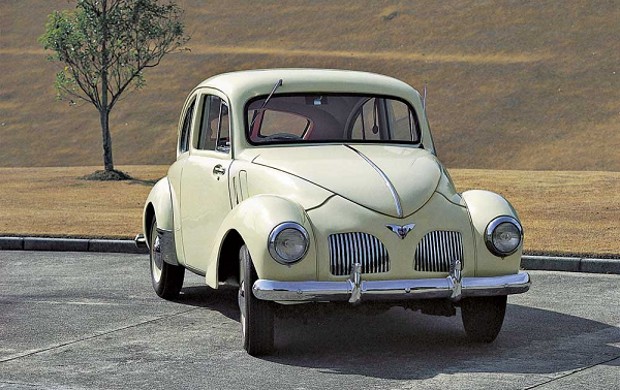
In the early 1930s, Toyoda machine tools attracted the attention of the world's largest textile manufactory at that time - the British company Platt Brother & Co. Sakichi agreed to sell the patent rights to the machine, and his son Kiichiro went to the UK to complete the deal. It is worth noting that the car - one of the main engineering inventions of that time - captivated and occupied the mind of Sakichi Toyoda. Interest in cars took over and his son. However, having been in England, he literally "fell ill" with the idea of creating his own automobile production. Having secured £ 100,000 from the sale of patent rights, Kiichiro Toyoda establishes a new division within his father's company, which has focused on the development of automobiles. In 1937, it split off at Toyota Motor Corporation. The work of the new company was supported by the government of Japan, who needed army trucks for the war in Manchuria. Due to depression, there was little money in the country. Domestic production allowed to reduce costs, provide jobs and make the country more independent. By 1936, just after the first successful Toyota cars were created, the Japanese authorities demanded that most of the shares of all automakers belong to residents of the country, as well as stopping almost all imports. Automobile operations were supervised by Kiichiro Toyoda. He began experimenting with two-cylinder engines, but eventually repeated the 65-horsepower Chevrolet six-cylinder engine. In addition, the brand copied the Chrysler Airflow chassis and gearbox. The first engine was produced in 1934 (Type A), the first car and truck in 1935 (Model A1 and G1, respectively), and the second model, which went into production, in 1936 (Model AA). The assembly of cars was established in the town of Koromo at new production facilities. The first Toyota car was equipped with a 3389 cc engine. cm and drum brakes for each wheel. The four-door sedan with the usual front and suicidal rear doors received a flat solid windshield with a wiper located at the top and a spare wheel, which was mounted on an almost vertical rear window. The all-metal body was advanced for the time, as the main body was used in wood. From 1936 to 1943, 1,404 AA sedans were produced. The first Toyota car was equipped with a 3389 cc engine. cm and drum brakes for each wheel. The four-door sedan with the usual front and suicidal rear doors received a flat solid windshield with a wiper located at the top and a spare wheel, which was mounted on an almost vertical rear window. The all-metal body was advanced for the time, as the main body was used in wood. From 1936 to 1943, 1,404 AA sedans were produced. The first Toyota car was equipped with a 3389 cc engine. cm and drum brakes for each wheel. The four-door sedan with the usual front and suicidal rear doors received a flat solid windshield with a wiper located at the top and a spare wheel, which was mounted on an almost vertical rear window.
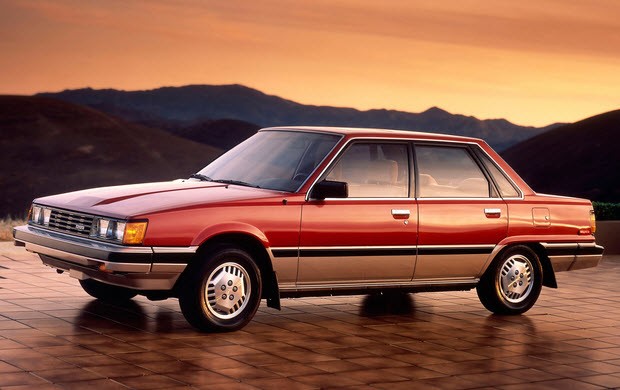
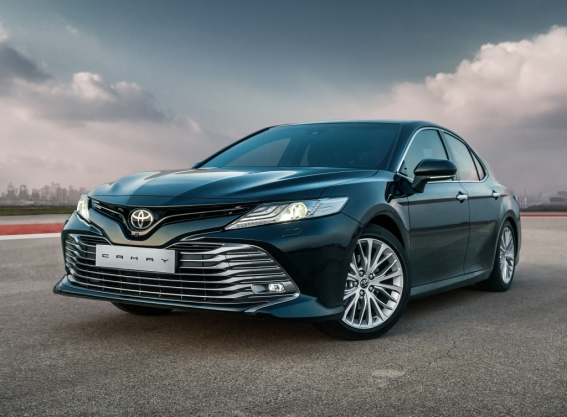
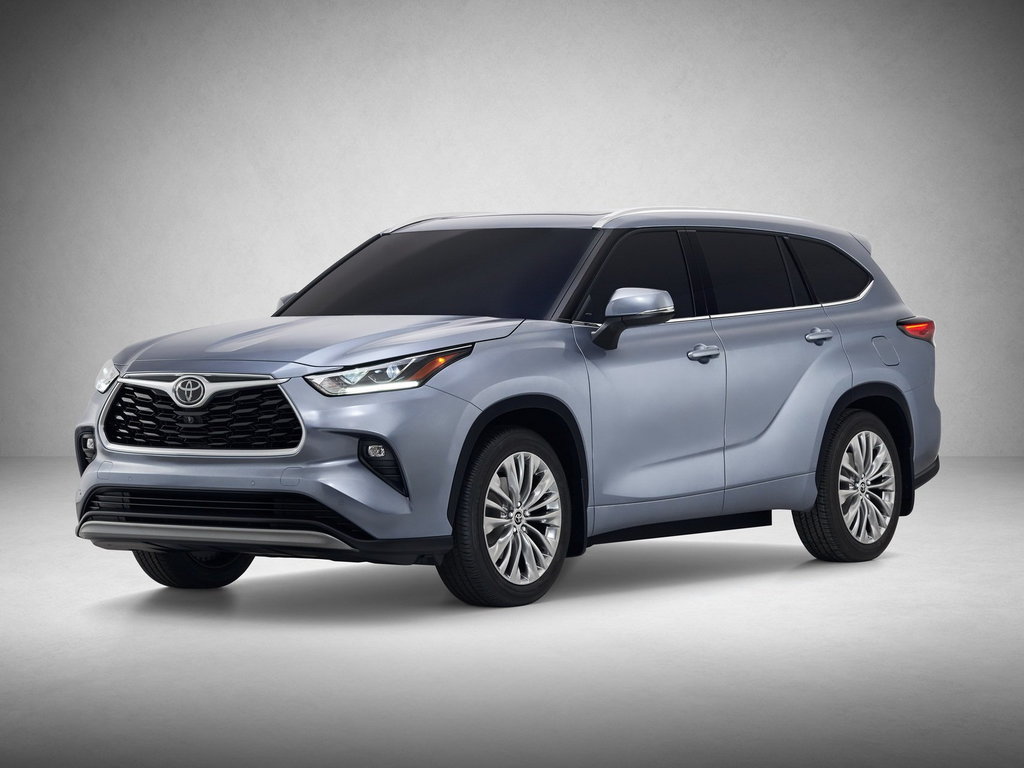
In 1982 Toyota Camry came out, which is now available in the seventh generation. Like most models of the brand, the first generation was produced for the domestic Japanese market, and then it entered the international arena. Having received positive feedback, the company was engaged in a phased improvement of the car and the introduction of its assembly in other countries. Camry is one of the best-selling Toyota models in Russia, which is assembled at a car factory in Shushary. In 1990, Toyota began to dilute the lineup, consisting mainly of compact models, with larger and more luxurious cars. There is a T100 pickup truck, and later a Tundra, several SUVs, a sports version of the Camry, as well as several sports and affordable cars aimed at young people. In technological terms, such innovations appear, as an engine with a variable valve timing system (VVT-i), as well as a four-stroke gasoline engine with direct fuel injection (D-4). Developments are being made in the field of hybrid technologies, the result of which is the launch in 1997 of the Prius model, the first production hybrid in the world. This model is also notable for the fact that Forbes magazine is listed in the top ten cars that changed the world. And Time magazine included him in the rating of the most influential people in the world, not caring at all that he was not a person. Now Toyota Motor produces a wide range of cars - from cars, crossovers and pickups to trucks and buses. In addition, she is developing in the field of creating vehicles with hybrid and electric transmissions, as well as hydrogen fuel cells.